

Most people don’t know how the eyewear industry really works. Behind the marketing, celebrity endorsements, and luxury branding, most sunglasses are made from the same low‑cost materials — and sold at massive markups. This guide breaks down what’s real, what’s hype, and how to tell the difference.
The Truth About Eyewear
Most people assume eyewear is simple: a frame, two lenses, and a brand name. The reality is very different. The eyewear industry is built on markups, licensing deals, and mass‑produced components that often have little to do with quality. At EYRA, we believe customers deserve transparency — not marketing smoke.
This guide breaks down what really happens behind the scenes, why prices vary so wildly, and how to recognize true craftsmanship.
1. The Industry Is Controlled by a Few Giants
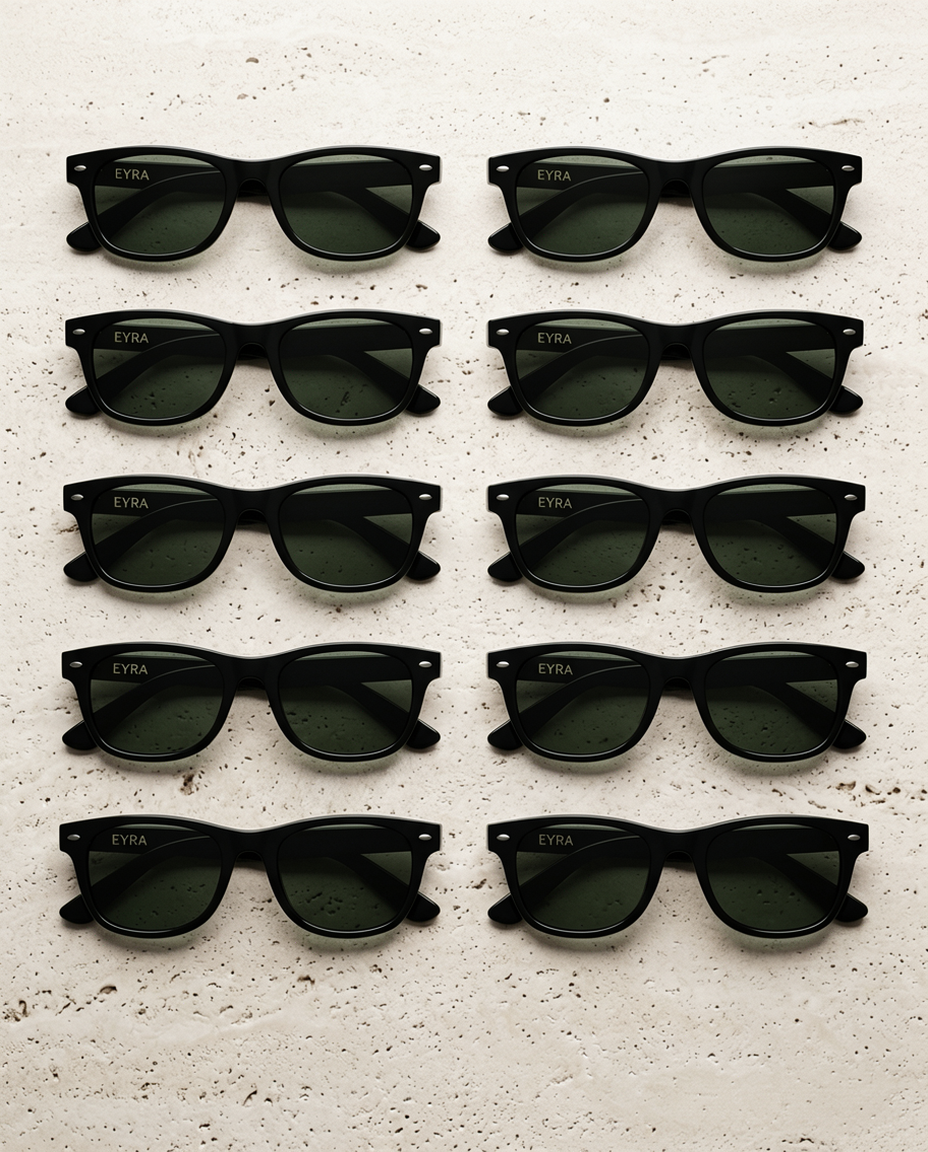
A handful of conglomerates control the brands, the factories, the distribution, the retail stores, and even the insurance networks. This vertical integration means one thing: prices are set by market power, not by manufacturing cost.
Most “designer” frames come from the same factories, using the same materials, with different logos applied at the end.

2. Licensing Drives Prices — Not Quality
When you buy eyewear from a fashion brand, you’re not paying for better materials, better lenses, or better craftsmanship. You’re paying for a licensing fee — often 20–30% of the wholesale cost — just for the right to print a logo on the temple.
The product itself rarely justifies the price.

3. Acetate and Metal Quality Varies Wildly
Two frames can look identical but behave completely differently. Cheap acetate warps in heat, cracks at the hinges, and loses polish quickly. Premium acetate stays stable, holds color, and feels substantial.
The same applies to metal frames: the alloy, thickness, and finishing determine durability — not the brand name.
4. Lenses Are the Most Important Part — and the Most Overlooked
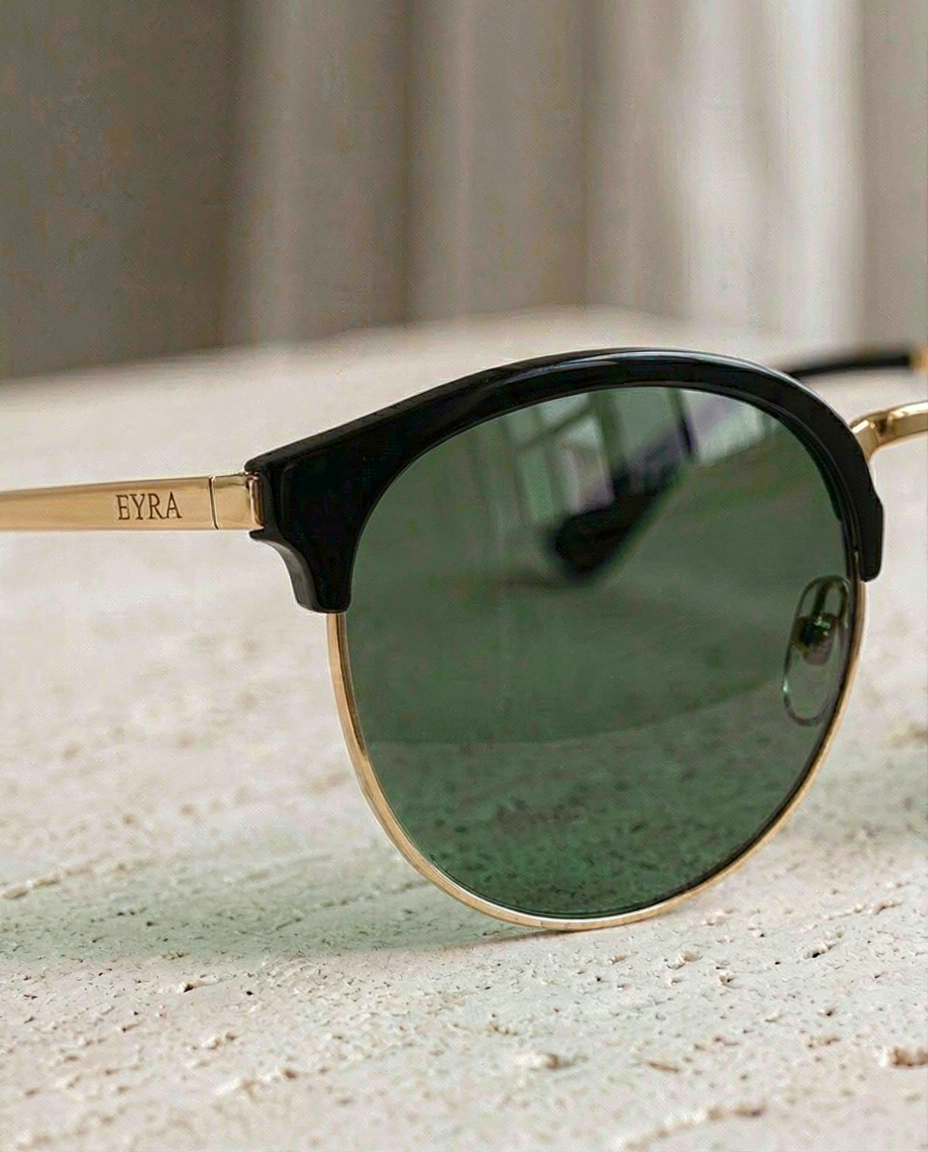
Most eyewear brands spend more on marketing than on lenses. Common shortcuts include low‑grade polycarbonate, weak coatings, poor optical clarity, and minimal scratch resistance.
High‑quality lenses cost more to produce — but dramatically improve clarity, comfort, and long‑term durability. At EYRA, lenses are the starting point, not an afterthought.
5. Retail Markups Are Often 6–10× the Factory Cost
A frame that costs $12–$18 to manufacture can retail for $150–$400. Why? Licensing fees, distributor margins, retailer margins, marketing budgets, celebrity endorsements, and inefficient supply chains.
When you remove those layers, you can deliver premium eyewear at a fair price — without cutting corners.
6. “Handmade” Often Means Very Little
Many brands use the word “handmade” even when machines cut the acetate, machines polish the surfaces, and machines set the hinges. The only “handmade” part is often the final inspection.
True craftsmanship is about material selection, precision machining, finishing quality, hinge engineering, and lens performance — not marketing language.
7. What EYRA Does Differently
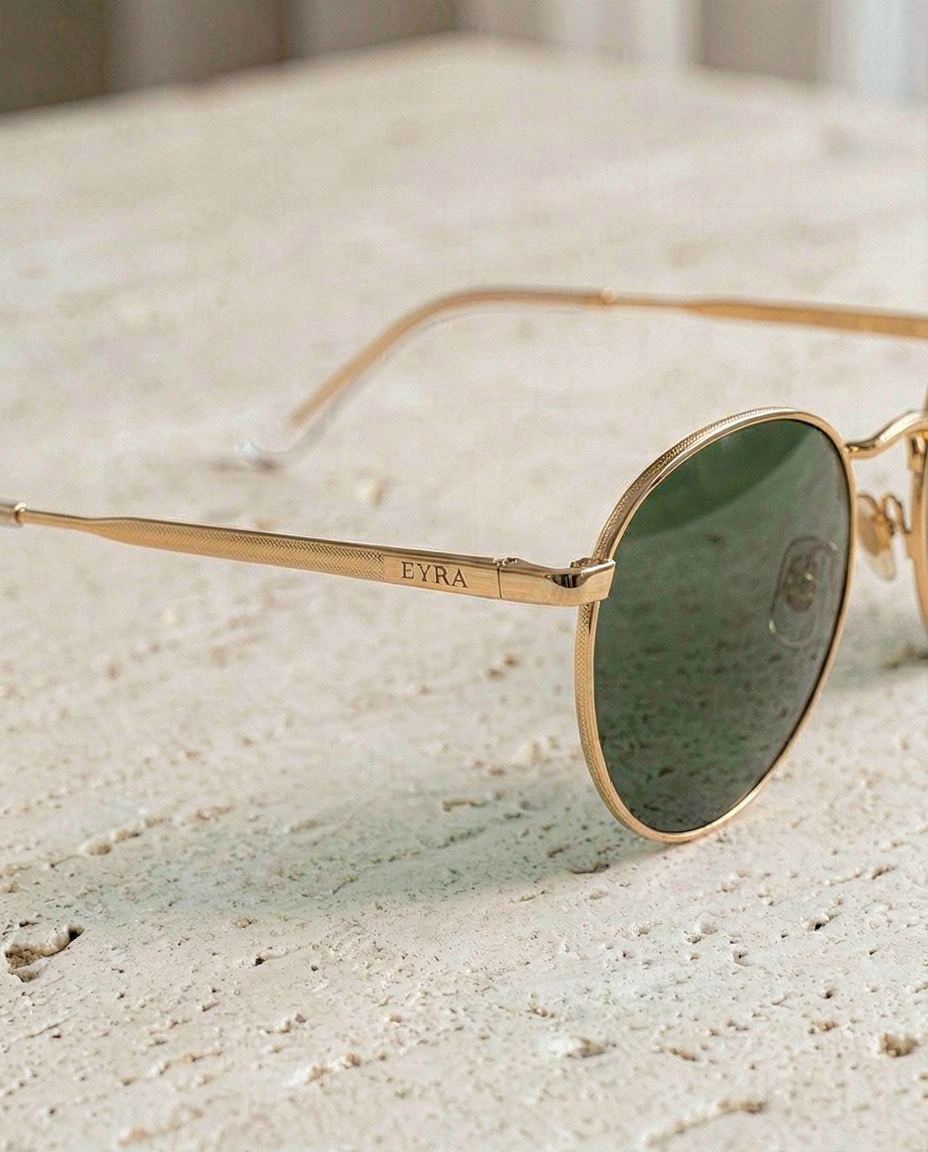
We built EYRA to remove the noise and focus on what matters: premium materials, precision engineering, high‑performance lenses, honest pricing, no licensing fees, no inflated margins, no shortcuts.
You get the quality you expect — without paying for the parts you don’t.
8. How to Evaluate Eyewear Quality Yourself
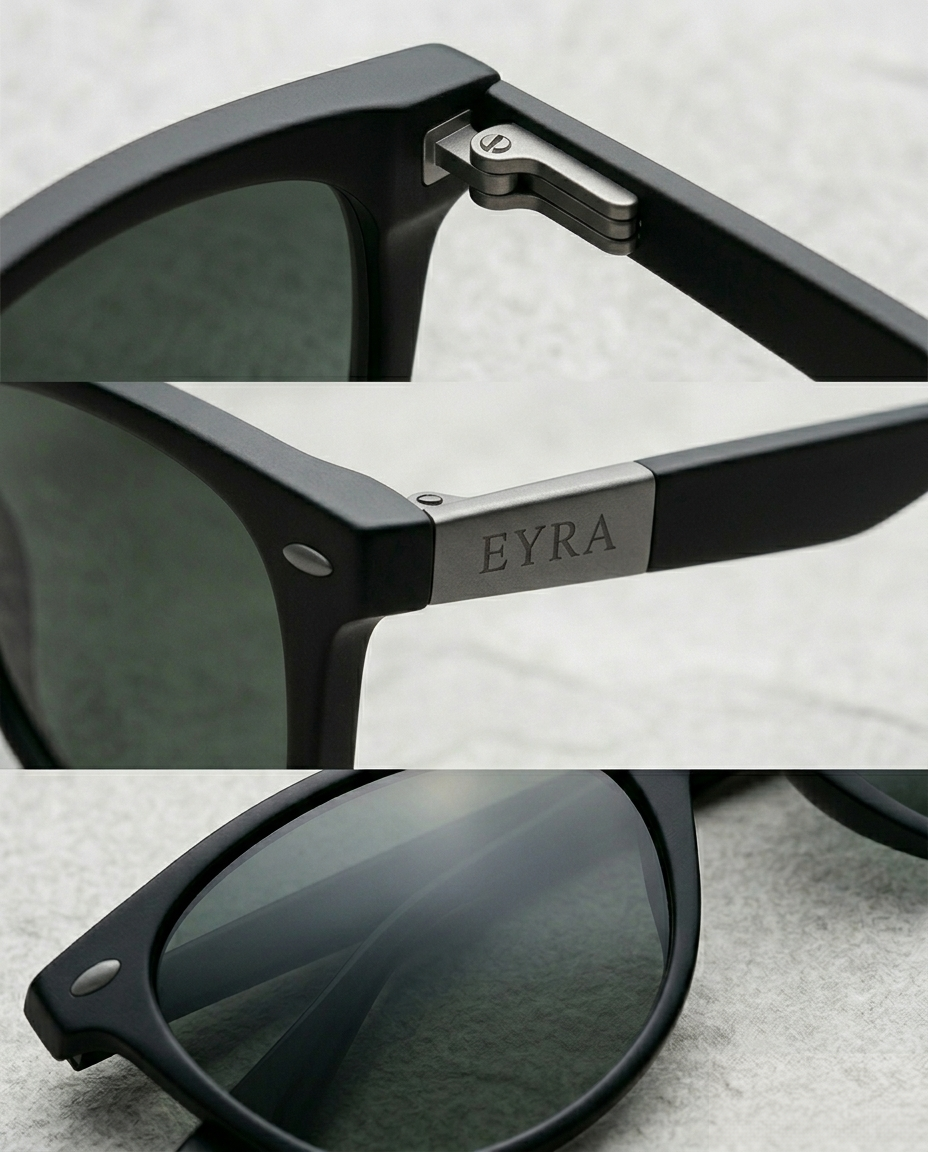
You don’t need to be an expert. Look for these signs:
- Smooth hinge action with no wobble
- Consistent polish and finishing
- No sharp edges or uneven cuts
- Lenses that resist smudging and water
- Temples that don’t flex unevenly
- Balanced weight distribution
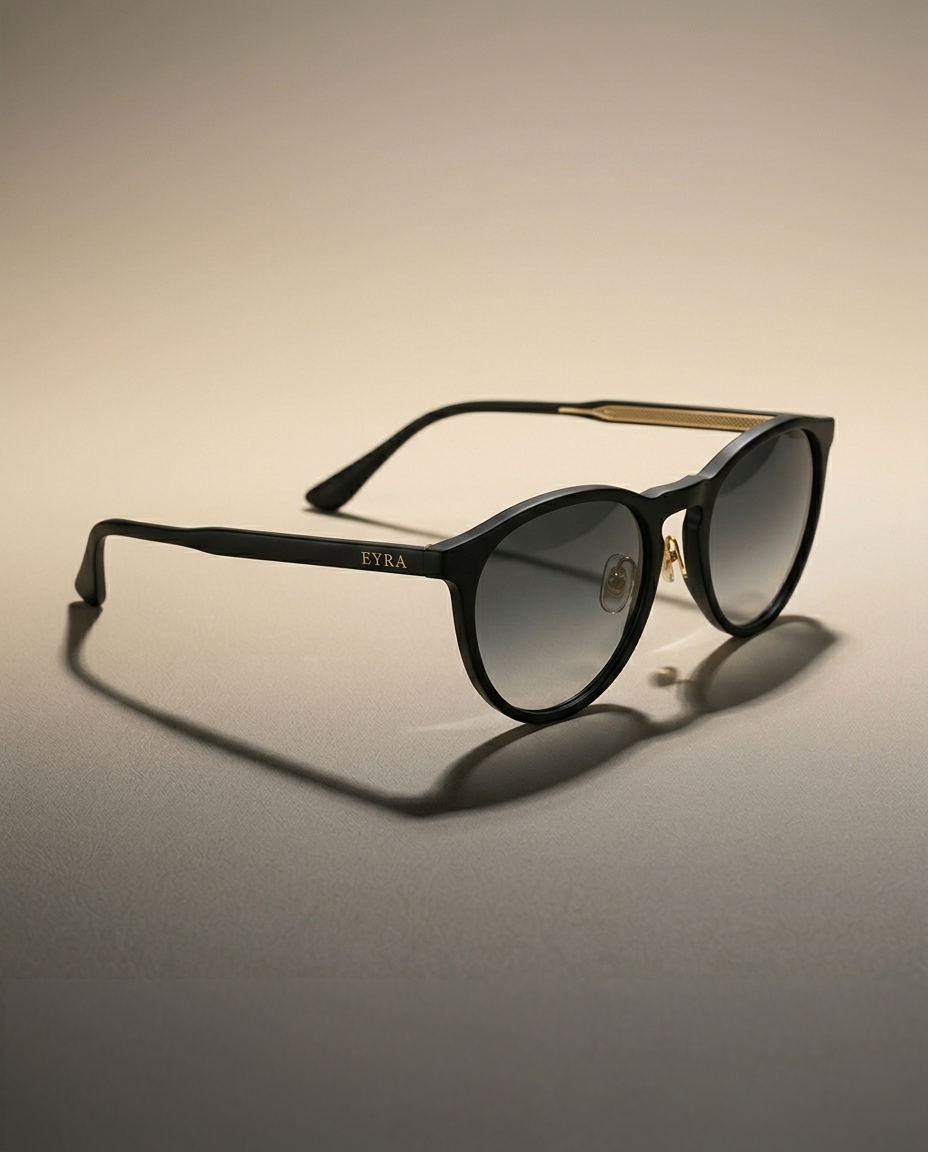
9. A Clearer Way Forward
When you remove the noise, the truth is simple: great eyewear comes from great materials, thoughtful engineering, and careful craftsmanship — not logos, not markups, not hype.
EYRA is built on that truth — and designed for people who value what actually matters.
FAQ
Why are most sunglasses so expensive?
Most eyewear brands use low‑cost materials but rely on heavy marketing, licensing fees, and retail markups that inflate prices far beyond production cost.
Are expensive sunglasses actually better?
Not always. Many designer sunglasses use the same TAC lenses and molded plastic frames as cheap pairs. What matters is lens material, optical clarity, and build quality.
What makes EYRA different?
EYRA uses optical‑grade polycarbonate lenses, premium acetate frames, and precision‑engineered components — without the luxury markup.


